Sewer Inspection to Find Hidden Problems in Your Sewer Line
professional sewer inspection can provide a much clearer picture.
Sewer Camera Inspection
A sewer camera inspection uses specialized video equipment to look inside accessible portions of the sewer line.
Repair or Replacement
The inspection helps provide evidence for that decision rather than relying solely on the age of the sewer line or the number of backups you've experienced.
Older Home
Older homes can have sewer lines made from materials that have been underground for decades.
Sewer Line Inspection
An inspection becomes more valuable when symptoms suggest the problem may be farther into the drainage system
When Should You Call a Plumber?
If you’re experiencing recurring sewer clogs, backups, slow drains, or suspect damage to your sewer line, it’s time to call a professional plumber for a sewer line inspection.
Most of your home's sewer line is buried underground, which means you can't see developing problems simply by looking at the plumbing. Recurring backups, slow drains, unusual odors, and other symptoms may provide clues, but they don't always reveal what's actually happening inside the pipe.
A professional sewer inspection can provide a much clearer picture. 2 Sons Plumbing can inspect your sewer line to look for blockages, damaged sections, root intrusion, deteriorating pipe, and other conditions that may be interfering with proper drainage.
If you're experiencing recurring sewer problems or want to better understand the condition of your sewer line, call 2 Sons Plumbing and Sewer at (206) 487-1757 to schedule an inspection.

When Should You Have a Sewer Line Inspected?
You don't necessarily need a sewer inspection every time a sink or bathtub drains slowly. A localized clog may have nothing to do with the main sewer line.
An inspection becomes more valuable when symptoms suggest the problem may be farther into the drainage system.
Reasons to consider a sewer inspection include:
The history of the problem matters. A blockage that has returned several times deserves more investigation than an isolated clog that has never happened before.
What Is a Sewer Camera Inspection?
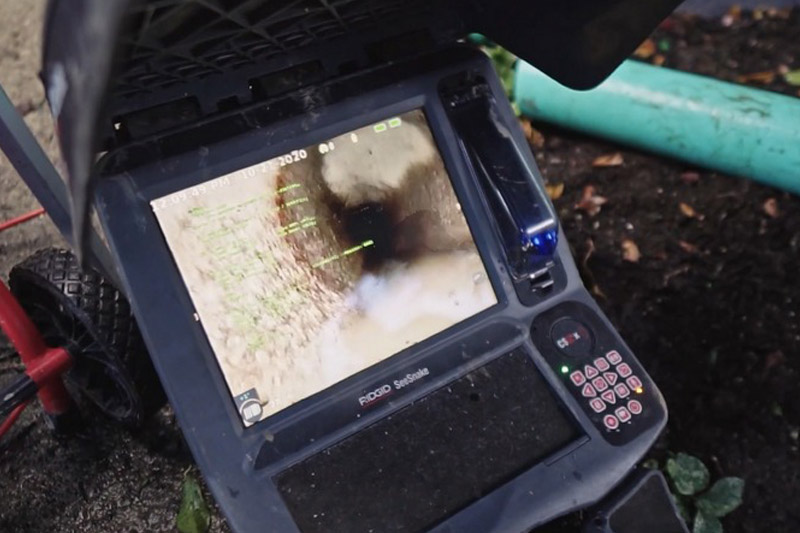
A sewer camera inspection uses specialized video equipment to look inside accessible portions of the sewer line.
A flexible cable with a camera is introduced into the plumbing and moved through the pipe. The plumber can view the interior of the line and look for conditions that may explain the symptoms you're experiencing.
Instead of making assumptions based solely on what's happening at your drains, the inspection provides visual information about the pipe itself.
This can be especially useful before deciding whether a sewer line needs cleaning, repair, or replacement.
What Can a Sewer Inspection Find?
Different sewer problems can create very similar symptoms inside the home.
A sewer inspection may reveal conditions such as:
What can be seen depends on the condition of the line. A pipe that's completely blocked may need to be cleared before the camera can travel far enough to inspect additional sections.
The purpose is to gather useful information about what's actually happening underground.
Why Do Sewer Problems Keep Coming Back?
A sewer line that repeatedly backs up often has an underlying reason.
Clearing an obstruction restores flow, but it doesn't necessarily correct whatever allowed the blockage to develop. If roots are entering through a damaged section or a structural problem is catching debris, another clog may eventually form.
That's where a sewer line inspection becomes particularly valuable.
Looking inside the pipe after recurring problems can help determine whether you're dealing with ordinary buildup or a condition that requires additional attention.
Instead of repeatedly treating the symptom, you can begin addressing the cause.

Sewer Inspection Before Repair or Replacement
Sewer repair can involve significant work, so understanding the condition of the line beforehand is important.
If an inspection shows one isolated area of damage while the surrounding pipe remains in reasonable condition, a targeted repair may be worth considering.
If the camera reveals extensive deterioration or multiple damaged areas, a larger repair or sewer line replacement may make more sense.
The inspection helps provide evidence for that decision rather than relying solely on the age of the sewer line or the number of backups you've experienced.
At 2 Sons Plumbing, we want homeowners to understand why a particular sewer solution is being recommended.
Can a Sewer Camera See Every Problem?
A sewer camera is an extremely useful diagnostic tool, but it isn't magic.
The camera shows conditions that are visible from inside the pipe. Heavy buildup, standing water, or a complete obstruction can sometimes prevent the camera from reaching or clearly viewing certain areas.
A video inspection also needs to be interpreted in the context of the symptoms occurring in the home.
That's why the inspection is one part of diagnosing a sewer problem rather than simply sending a camera down the line and making a decision based on a single image.
Sewer Inspection for an Older Home
Older homes can have sewer lines made from materials that have been underground for decades.
Age alone doesn't automatically mean a sewer line needs replacement. Some older piping may continue functioning adequately, while another line of similar age may have significant deterioration or damage.
An inspection can help determine the actual condition of the accessible sewer piping rather than assuming replacement is necessary because of age.
This can be particularly useful when a home has a history of sewer problems or when you're considering significant plumbing work.
What Happens After the Inspection?
The next step depends on what the sewer inspection reveals.
If the line is generally sound but contains an obstruction, cleaning may be appropriate. Localized damage may lead to a discussion about sewer repair. More widespread deterioration could make replacement worth considering.
Sometimes an inspection may show that the sewer line isn't responsible for the plumbing symptoms at all.
Either way, having more information allows the next decision to be based on evidence rather than guesswork.
Find Out What's Happening Inside Your Sewer Line
If your sewer keeps backing up, drains repeatedly clog, or you're concerned about the condition of an aging sewer line, 2 Sons Plumbing and Sewer can inspect the system and help identify the cause.
A sewer inspection can provide valuable information before you commit to repeated cleaning, repairs, or replacement.
Call 2 Sons Plumbing and Sewer at (206) 487-1757 to schedule a sewer inspection.